Our Location
Alhaji Sammo Road
Nkoranza, Bono East

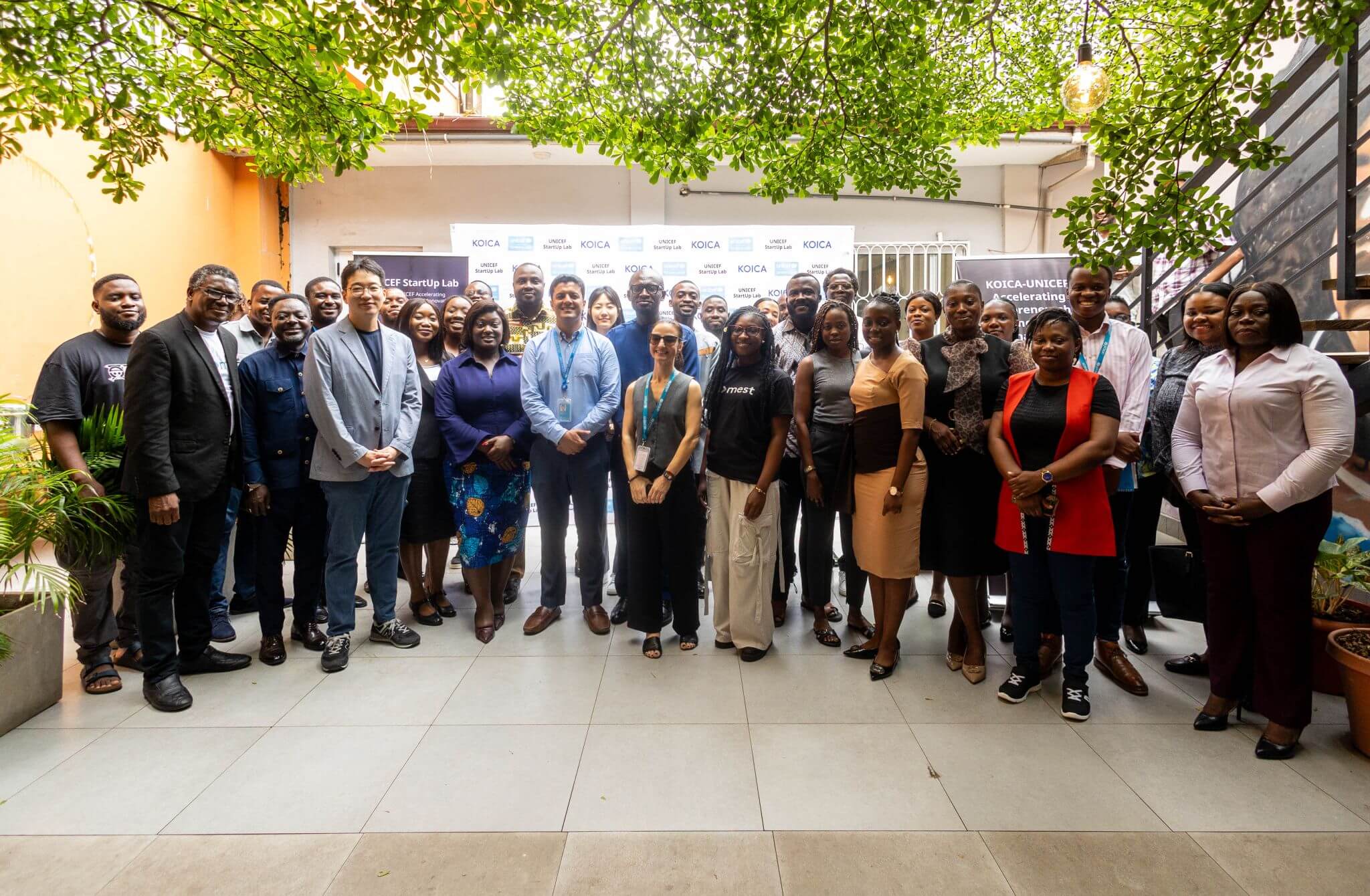
When we walked into the UNICEF StartUp Lab, we brought a simple conviction: Ghana’s students deserve more than textbooks. They deserve classrooms that spark curiosity, not just memorization. We came not with an idea, but with a working solution: a proven three-year track record of delivering hands-on STEM learning. We had already deployed a handful of kits to schools and held the hope that our model could scale across Ghana.
What followed was less a course and more a crucible, a six-month test that reshaped who we are and how we will grow.
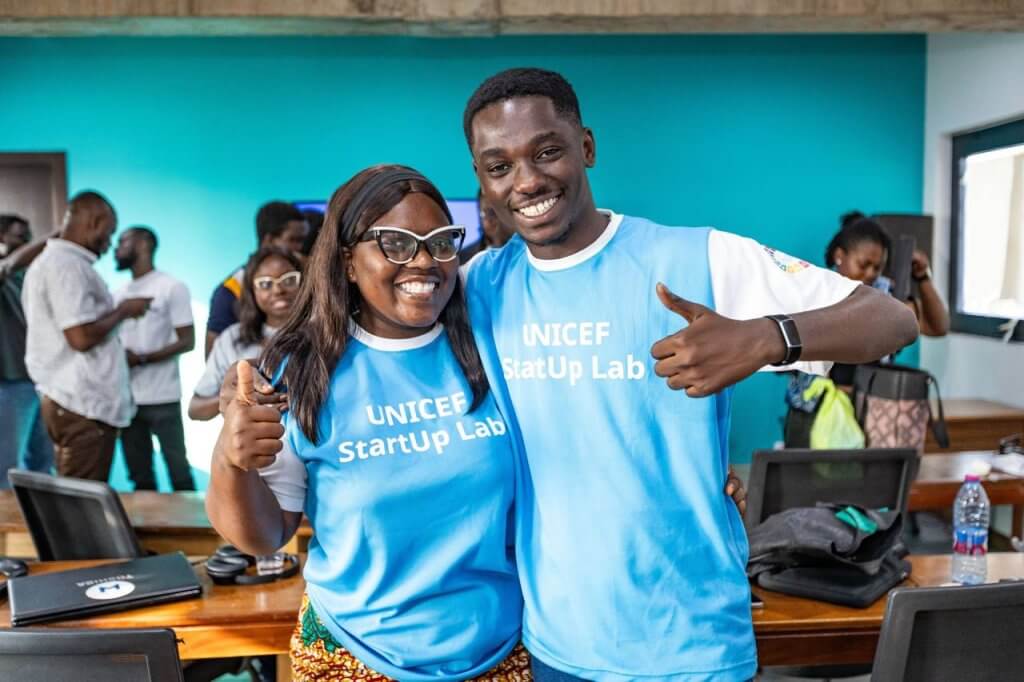
On Day One, in a room full of founders and mentors, someone asked a blunt question: “Who are you building for?” It felt obvious — children — but the session forced us to stop and listen. We spent hours mapping parents’ frustrations, teachers’ constraints, and school owners’ budgets. The result was humbling: our assumptions were useful, but incomplete. Real impact demanded not only good tools, but a business that schools could afford, teachers could adopt, and parents could trust.
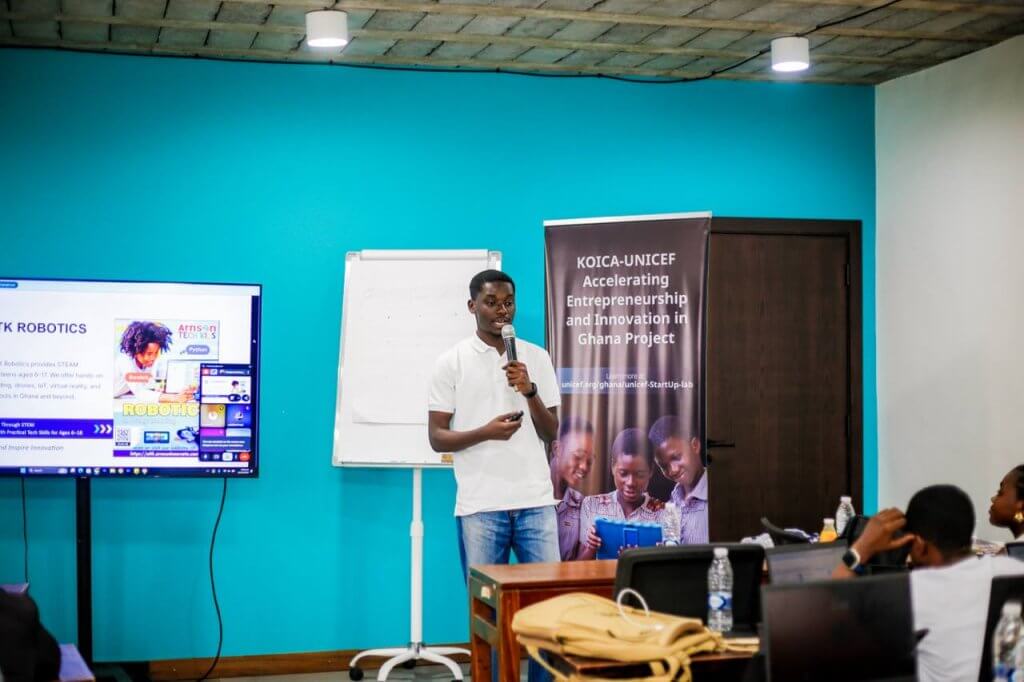
Midway through the lab we turned theory into something visible: the Student Innovation Centre at Amazing Grace Academy, Poano. What began as a pilot became a proof point. We installed laptops, VR headsets, drones, and more than a thousand digital simulators. We trained facilitators. We ran the first student projects. And we watched what numbers alone cannot show — eyes lighting up, questions getting sharper, children moving from “I read about it” to “I built it.”
That center isn’t a trophy. It is data, narrative, and evidence in one place — a living demonstration that a school can run modern STEM programs without breaking the bank.
The Lab’s true value was the people, mentors who gave us hard, specific feedback; cohort peers who shared playbooks and pitfalls; and UNICEF’s ecosystem that connected us to experts and credibility. Those relationships turned theory into collaboration and ideas into contracts.
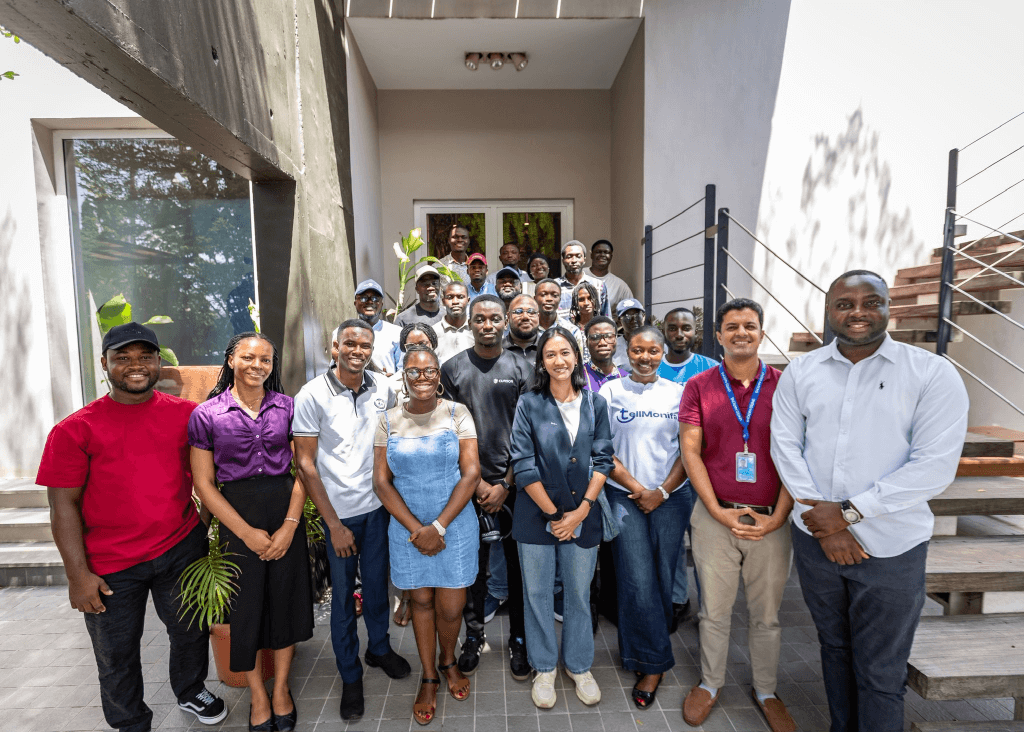
To UNICEF, KOICA, the MEST Africa team, our mentors, trainers, supervisors, and the full cohort, thank you.
You didn’t just support our vision; you helped us shape it.
You didn’t just teach us; you challenged us.
You didn’t just guide us; you equipped us to scale.
This program is more than a milestone — it is a turning point.